
"good degree"
20000 article(s) found

Coffee roasting degree how to judge roasting degree from sound, color and aroma how to choose roasting degree
Professional coffee knowledge exchange more coffee bean information Please follow the coffee workshop (Wechat official account cafe_style) in Taiwan, drinking coffee has become an indispensable enjoyment, more and more people choose to make coffee at home, not only for interest, but also for better coffee quality. If you have done, or are going to do, then the first thing you need to know is

A brief introduction to the treatment method of grinding degree and baking degree of Columbia exquisite coffee beans
Colombian coffee is really good, especially the sweetness and acidity balance has always been good! I have tried St. Augustine Manor Coffee in Huila in the past, and I remember it as a sense of sweetness, which greatly increased my affection for Colombian beans. Of course, I have also tried some commercial bean-grade Colombian coffee since then, although the flavor is not as layered and layered as the boutique.
What is the effect of roasting degree on coffee? Mantenin medium or deep which flavor is wilder?
Professional coffee knowledge exchange more coffee bean information please follow the coffee workshop (Wechat official account cafe_style) front street-coffee roasting degree profile we are about to do some articles on beans, it is important to choose good beans. The choice of beans here refers not only to the quality of the beans, but also to the degree of baking of the beans. This is also something that many friends do not know.

What should I pay attention to when making coffee by hand? What should be the degree of grinding, water temperature and baking degree? How to extract
Professional coffee knowledge exchange more coffee bean information please follow the coffee workshop (Wechat official account cafe_style) hand coffee need to pay attention to? What should be the degree of grinding, water temperature and baking degree? How to extract it? How to experience the good flavor in ordinary life, good utensils is the origin of everything. The selection of utensils is the beginning of affecting the flavor of coffee! Good utensils are good flavors.

How many degrees of sailors are suitable for Yunnan coffee beans?
How many degrees of Yunnan coffee beans are suitable for sailors to make coffee is a kind of drink that can excite the nerves. It is suggested that you first put coffee powder into the pot, then put in water above 1/5 degrees 85 degrees to brew and stir evenly until the aroma of coffee comes out. Then add 2/5 cold boiled water, if you want to drink it now, it is recommended to add ice, and the rest can be put in the refrigerator.
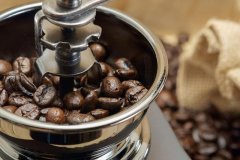
The importance of the coffee bean grinder and the degree of grinding it depends on how the coffee is tasted and whether it is good or not
Professional coffee knowledge exchange more coffee bean information please pay attention to the coffee workshop (Wechat official account cafe_style) coffee bean grinding fineness how to judge and set the espresso grind degree to make a good cup of coffee there are many elements, however, the coffee bean grinding fineness is most often ignored! If you don't usually have any research on coffee, you should receive a free bag.
The basic chemical reaction of coffee knowledge during coffee roasting.
Many thermal and chemical reactions take place during baking: decarbonation, dehydration of quinic acid, subdivision, isomerization, polymerization, and complex sugar reactions (caramelization). The main components of the thermal reaction are monosaccharides and sucrose, chlorogenic acid, free amino acids, and fenugreek amide. Both aravinose and calactose in the polysaccharides are transferred, and the basic vulcanization process includes hydroxylamine.

How much water does it take to make a single cup of coffee? How many degrees of blisters do you use to make coffee by hand? How much is the black coffee?
Professional coffee knowledge exchange more coffee bean information please follow the coffee workshop (Wechat official account cafe_style) how much water does it take to make individual coffee? How many degrees of blisters do you use to make coffee by hand? Black coffee how much water brew how to brew? Drinking coffee is really just a way of life. When it comes to coffee, always say carefully that you don't understand, even if you drink it, you just drink it casually.

How to distinguish the roasting degree of coffee? Light roast coffee and medium roast coffee bitter? Deep roast coffee good to drink
The degree of roasting depends on the color of the coffee: light, medium or dark, although this is not the most accurate way to judge roasting, some coffees naturally darker or lighter than others, but this is still the most convenient way to judge roasting. When you shop for coffee, you expect coffee of different roasting strengths to have their own characteristics. Light roast best preserves the original characteristics of coffee beans

What is the taste of Yunnan small seed coffee tin card variety? How can hand flushing taste good at home? Yunnan
Professional coffee knowledge exchange more coffee bean information please follow the coffee workshop (Wechat official account cafe_style) Yunnan small seed coffee iron truck varieties taste like? How can hand flushing taste good at home? The hand-punching process of Yunnan small seed species? Typica is one of the oldest native varieties in Ethiopia. Tibika has bronzed top leaves and oval or thin pointed beans.

Basic chemical reactions that occur during coffee roasting
Many thermal and chemical reactions take place during baking: decarbonation, dehydration of quinic acid, fragmentation, isomerization, polymerization, and complex sugar reactions (caramelization). The main thermally reactive components are monosaccharides and sucrose, chlorogenic acid, displaced amino acids, and trigonelline amide. Both aravinone and calactose in polysaccharides are transferred, and basic sulfurization contains hydroxyamino acids.

Panamanian Coffee Geisha Rosa Flavor description Grinding degree Taste Variety Baking degree record
The characteristics of Panama coffee: Panamanian (Panamanian) coffee is very smooth, light and sour, its excellent thousand weeks coffee beans pure flavor, very distinctive. Flavor: full granules, good quality suggested baking method: medium roasting ★★: good Panamanian coffee market: Panama (Panama) the first batch of coffee exported each year is shipped in November, almost all of it is of high quality
The basic chemical reaction of coffee roasting process
Many thermal and chemical reactions take place during baking: decarbonation, dehydration of quinic acid, subdivision, isomerization, polymerization, and complex sugar reactions (caramelization). The main components of the thermal reaction are monosaccharides and sucrose, chlorogenic acid, free amino acids, and fenugreek amide. Both aravinose and calactose in the polysaccharides are transferred, and the basic vulcanization contains hydroxylated amino acid.
The basic chemical reaction that takes place during coffee roasting.
Many thermal and chemical reactions take place during baking: decarbonation, dehydration of quinic acid, subdivision, isomerization, polymerization, and complex sugar reactions (caramelization). The main components of the thermal reaction are monosaccharides and sucrose, chlorogenic acid, free amino acids, and fenugreek amide. Both aravinose and calactose in the polysaccharides are transferred, and the basic vulcanization process includes hydroxylamine.
The basic chemical reactions that take place during coffee roasting
Many thermal and chemical reactions take place during baking: decarbonation, dehydration of quinic acid, subdivision, isomerization, polymerization, and complex sugar reactions (caramelization). The main components of the thermal reaction are monosaccharides and sucrose, chlorogenic acid, free amino acids, and fenugreek amide. Both aravinose and calactose in the polysaccharides are transferred, and the basic vulcanization process includes hydroxylamine.
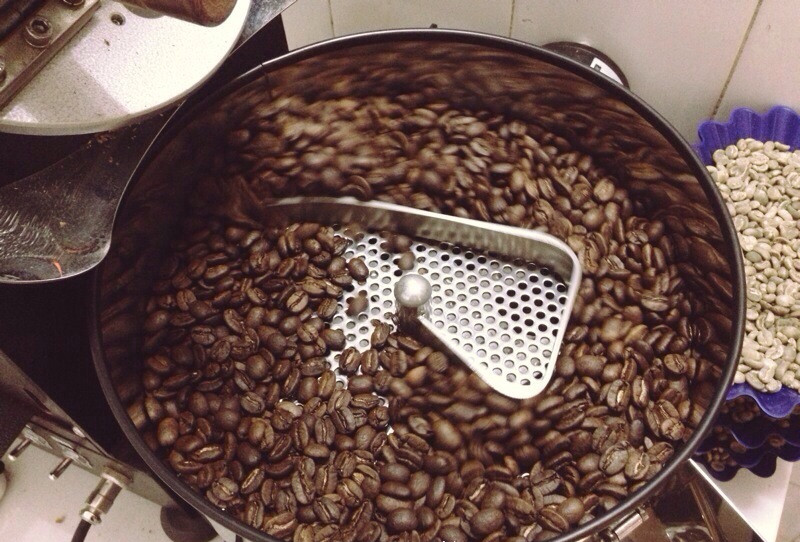
Basic chemical reactions of coffee beans during coffee roasting
Many thermal and chemical reactions take place during baking: decarbonation, dehydration of quinic acid, subdivision, isomerization, polymerization, and complex sugar reactions (caramelization). The main components of the thermal reaction are monosaccharides and sucrose, chlorogenic acid, free amino acids, and fenugreek amide. Both aravinose and calactose in the polysaccharides are transferred, and the basic vulcanization process includes hydroxylamine.
The basic chemical reactions that take place during coffee roasting
Many thermal and chemical reactions take place during baking: decarbonation, dehydration of quinic acid, subdivision, isomerization, polymerization, and complex sugar reactions (caramelization). The main components of the thermal reaction are monosaccharides and sucrose, chlorogenic acid, free amino acids, and fenugreek amide. Both aravinose and calactose in the polysaccharides are transferred, and the basic vulcanization process includes hydroxylamine.
The basic chemical reactions that take place during coffee roasting.
Many thermal and chemical reactions take place during baking: decarbonation, dehydration of quinic acid, subdivision, isomerization, polymerization, and complex sugar reactions (caramelization). The main components of the thermal reaction are monosaccharides and sucrose, chlorogenic acid, free amino acids, and fenugreek amide. Both aravinose and calactose in the polysaccharides are transferred, and the basic vulcanization process includes hydroxylamine.
Basic knowledge of boutique coffee to understand the sour taste of coffee
Most people mistakenly think that coffee is sour if it is not fresh, and sour coffee is not good. This is really a great smear and misunderstanding! In fact, coffee itself is an acidic beverage. Whether coffee is sour or not depends on the baking degree of beans. The longer the baking time is, the higher the caramelization degree is, and the more acidic substances are destroyed, the less sour it is, and the shorter the baking time is, the lower the caramelization degree is.
The basic chemical reaction of coffee technology in the process of coffee roasting
Many thermal and chemical reactions take place during baking: decarbonation, dehydration of quinic acid, subdivision, isomerization, polymerization, and complex sugar reactions (caramelization). The main components of the thermal reaction are monosaccharides and sucrose, chlorogenic acid, free amino acids, and fenugreek amide. Both aravinose and calactose in the polysaccharides are transferred, and the basic vulcanization process includes hydroxylamine.